
Choosing the Right Plastic Material: A Practical Guide
When designing or manufacturing any product, one of the most important decisions is selecting the right material. Plastics come in many types, each with its own strengths and limitations. At Greener, we believe that informed choices not only improve product performance but also reduce waste and make processes more sustainable.
1. Start with the Basics: Grouping Plastics
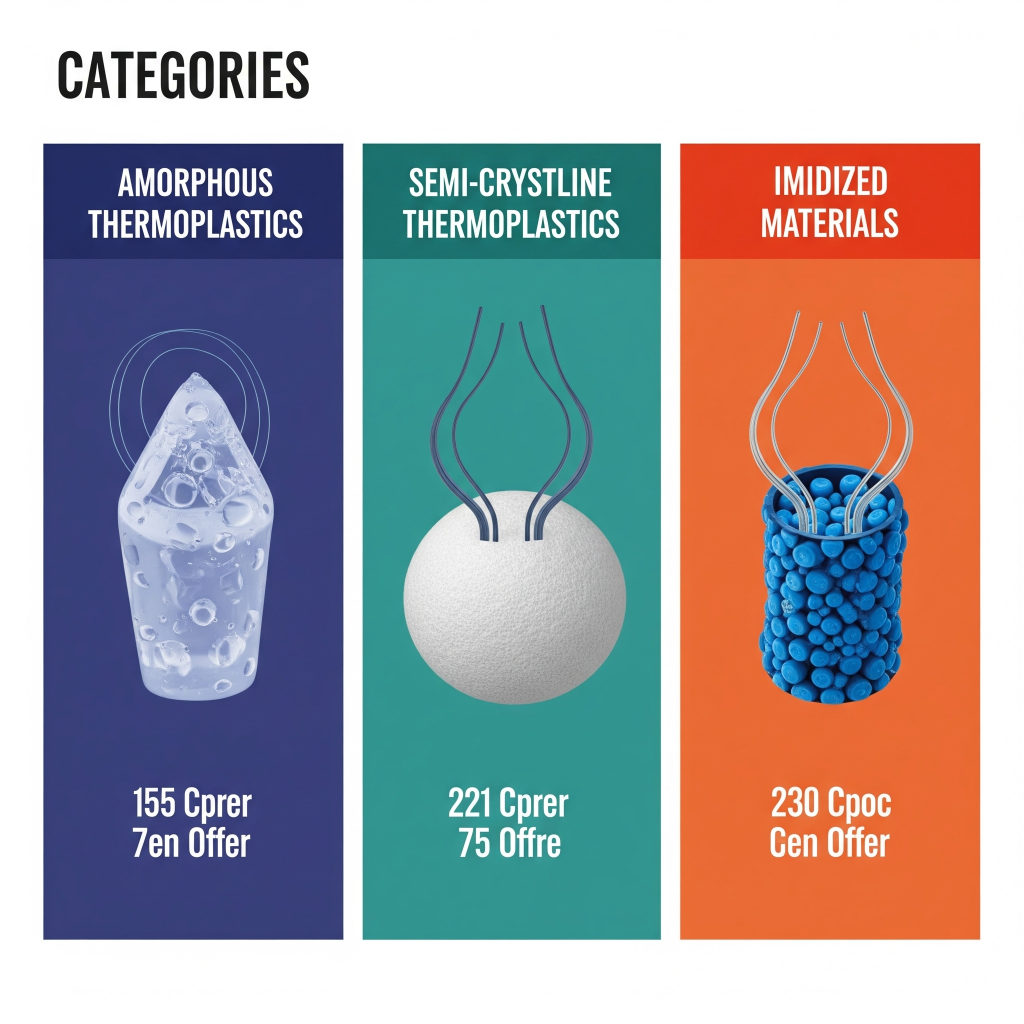
Plastics can be broadly classified into three categories:
Amorphous Thermoplastics – Known for their clarity, easy formability, and good bonding ability. However, they are less resistant to chemicals and fatigue. Examples include ABS, Acrylic, and Polycarbonate.
Semi-crystalline Thermoplastics – Tougher, with better chemical resistance and durability, but harder to form. Common options are Nylon, Polypropylene, HDPE, and PTFE.
Imidized Materials – High-performance plastics that can withstand extreme temperatures and wear, such as PAI and Polyimide.
2. Consider Temperature and Cost
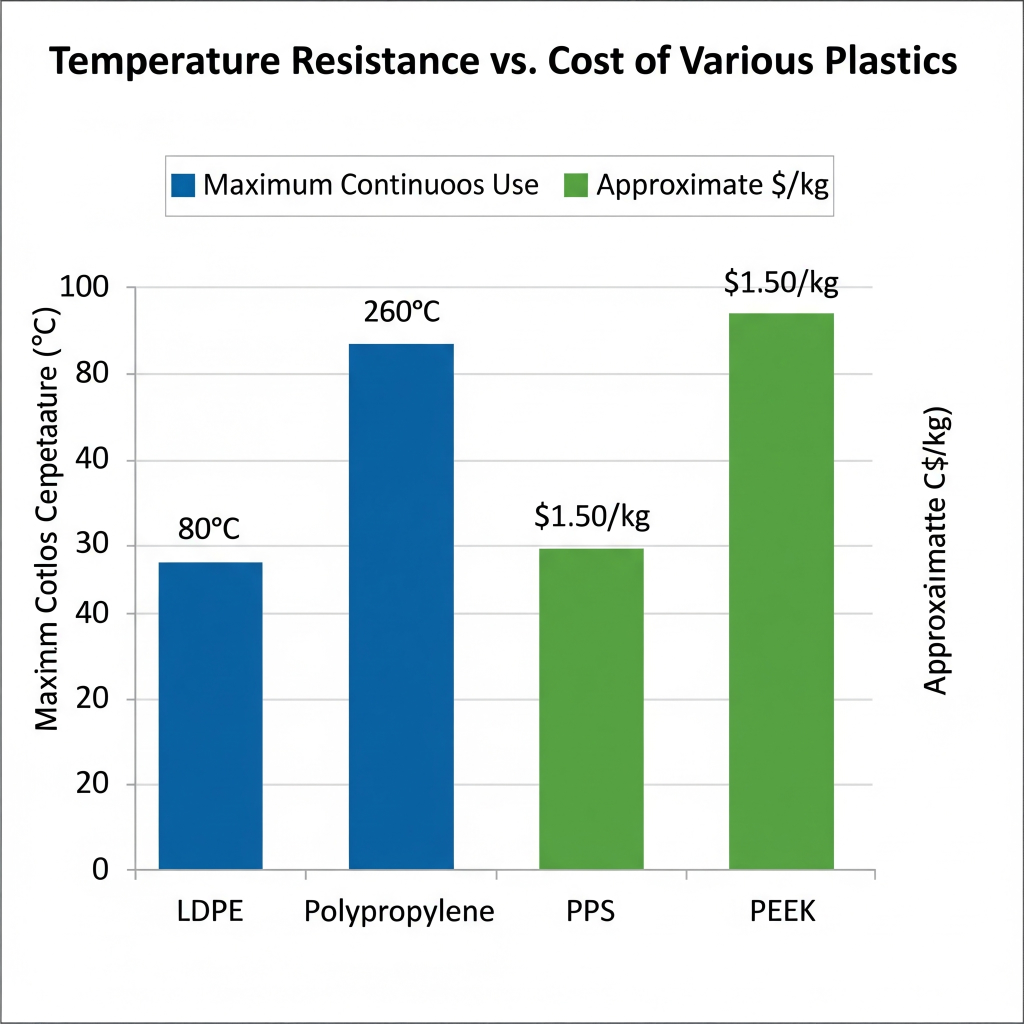
Not all plastics behave the same under heat. Some, like PEEK and PPS, can handle high operating temperatures but come at a higher cost. Others, like Polypropylene and LDPE, are economical but suited for lower-temperature applications. The right balance depends on your project’s priorities.
3. Mechanical Properties Matter
Think about the forces your product will face:
Strength: Materials like Ultem®, Nylon, and PAI offer high tensile strength.
Stiffness: PEEK and glass-filled plastics provide rigidity where needed.
Toughness: Polycarbonate and UHMW-PE absorb impact better than most.

4. Special Requirements
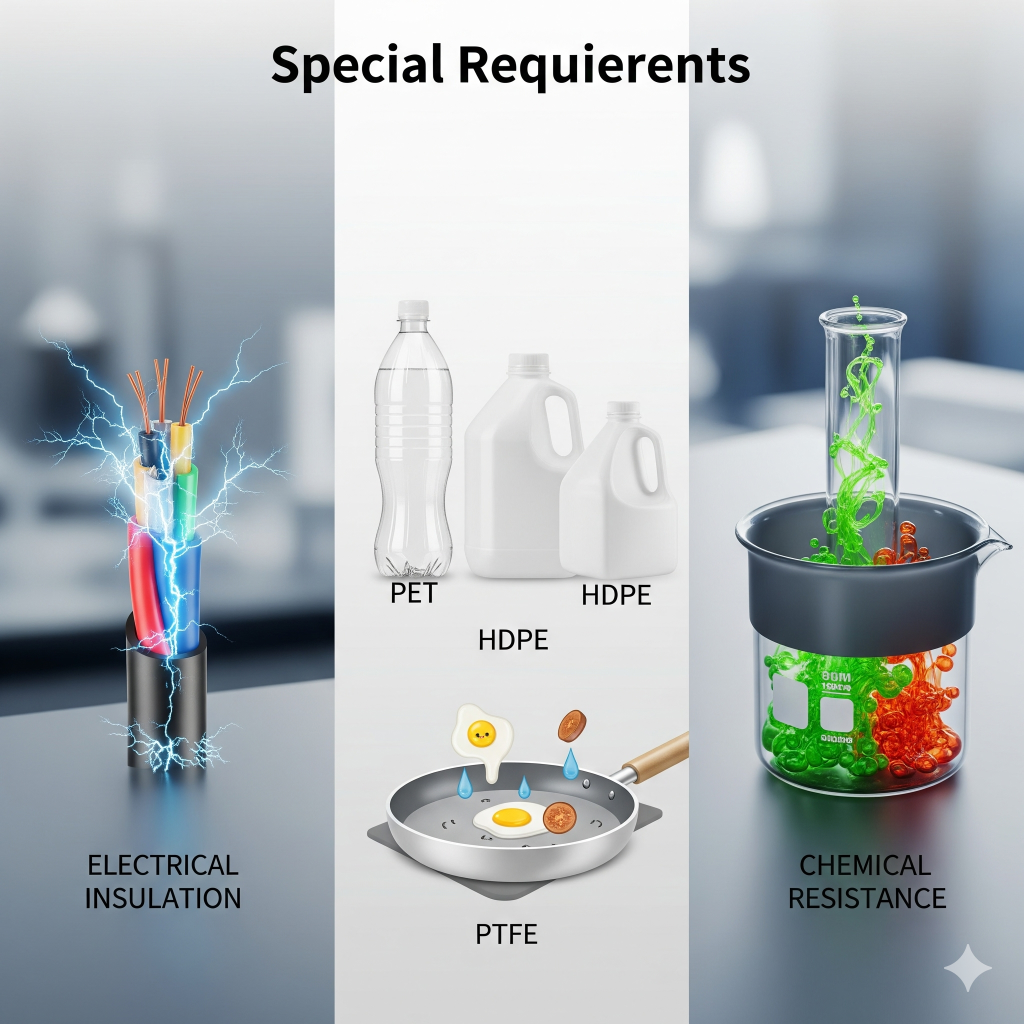
Depending on the application, you may also need to check:
Electrical insulation (important for electronics).
Food-grade compliance (FDA-approved materials like PET, HDPE, and PTFE).
Chemical resistance (critical in lab or industrial environments).
5. Sustainability in Material Choice
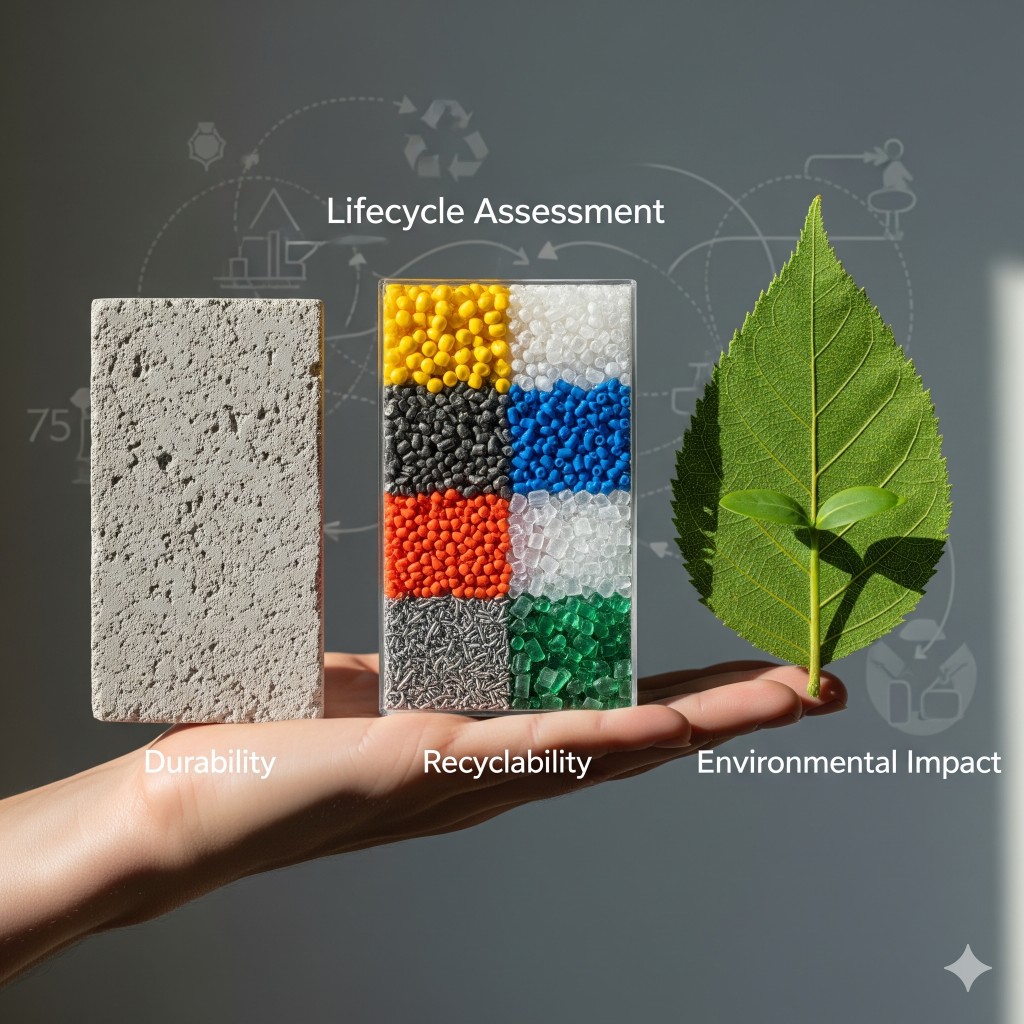
Beyond technical specs, material selection also affects the environment. Choosing durable plastics reduces replacements, while selecting FDA-compliant or recyclable grades supports safer end-of-life use. At Greener, we encourage manufacturers to not only ask “Will this material work?” but also “What impact will it leave?”
Final Takeaway:
There’s no “one size fits all” when it comes to plastics. The best material depends on your application, cost targets, and environmental priorities. By carefully comparing properties, you can ensure better performance, longer product life, and a smaller footprint.